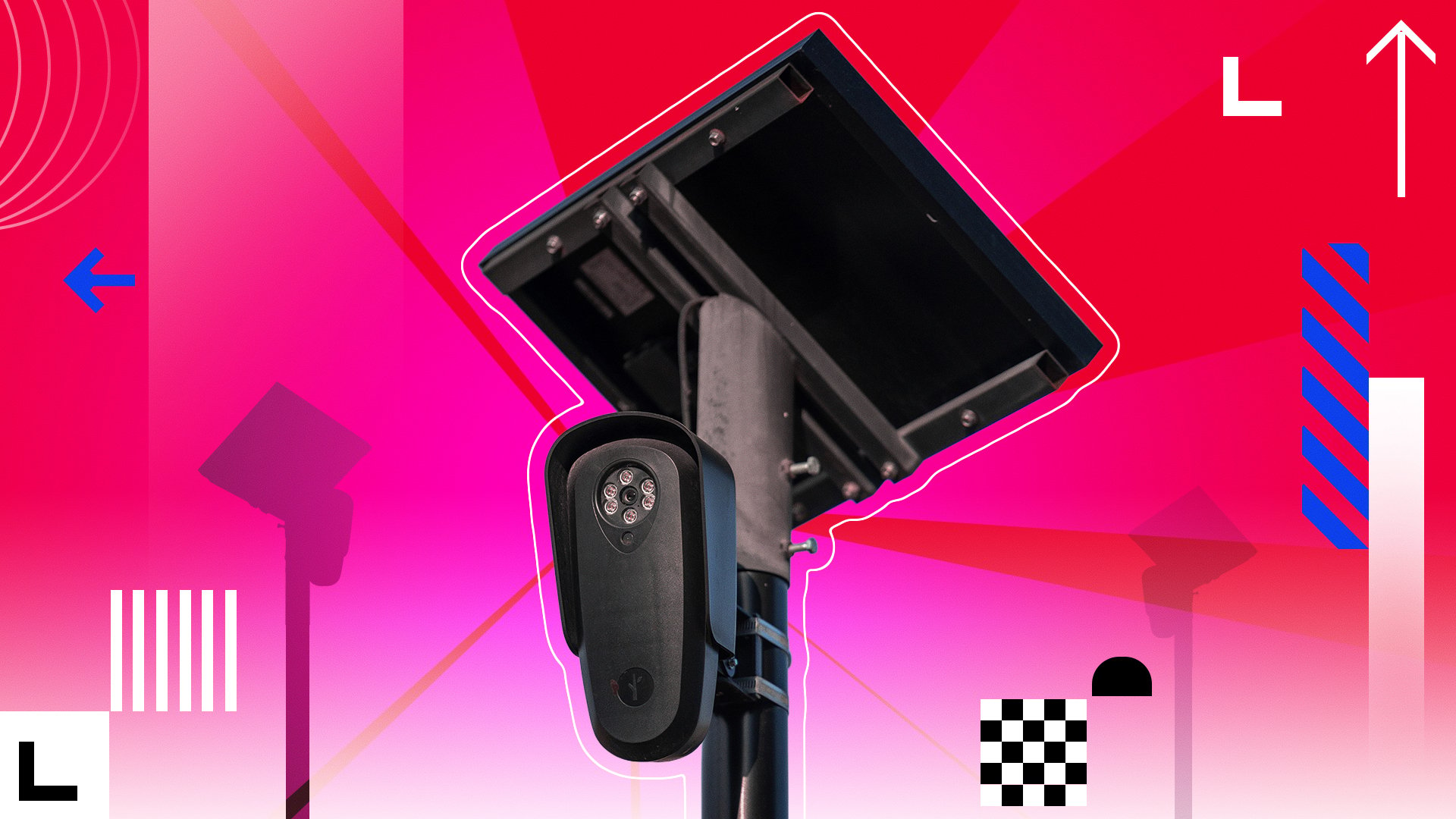
Those Cameras Watching Your Car Are Run by a Private Company — and They Track Far More Than Your Plates
Flock Safety's automated license plate readers are now deployed in hundreds of cities. They don't just log plate numbers — they build movement histories, generate vehicle 'fingerprints,' and share data across police networks, often without residents knowing.
The boxy white cameras bolted to poles across American neighborhoods look unremarkable. But the technology inside them — and the private company operating them — is quietly building one of the largest vehicle surveillance networks in the country.
Flock Safety, an Atlanta-based startup, sells automated license plate reader (ALPR) systems to local governments and homeowners associations. The pitch is simple: deter crime, catch stolen cars. The reality is more expansive. The cameras run 24 hours a day, photographing every vehicle that passes, regardless of any suspicion of wrongdoing.
What the Cameras Actually Collect
Flock’s software does more than read a plate. For each vehicle, it generates a “vehicle fingerprint” — a profile built from make, model, color, bumper stickers, roof racks, and other distinguishing features. Officers can use this fingerprint to search for a car even if the plate is obscured or unknown.
The system can also produce a “vehicle journey map” showing every location where a car has been spotted across the entire network. Flock’s own marketing materials describe capabilities to “analyze patterns of movement,” “flag repeat visitors to a location,” “identify vehicles frequently seen together,” and “predict the future route a vehicle might take.”
In San Jose, California, what began as a pilot program with four cameras at a single intersection has grown to a network of 474 ALPR cameras blanketing the city — all feeding data into a system that police can query at will.
Documented Abuse
The scale of the network creates real risks when access is misused. A review by the Institute for Justice identified at least 15 cases nationwide of police officers using ALPR data to surveil romantic interests — tracking the movements of current or former partners, and in some cases complete strangers. The bulk of those incidents have been reported since 2024, as the camera networks expanded.
The Institute for Justice is now challenging San Jose’s system in federal court, arguing it is “creepy,” “deeply intrusive,” and violates Fourth Amendment protections against unreasonable search.
The Accountability Gap
Unlike a police-operated traffic camera, Flock’s cameras are privately owned and the data is stored by the company. Cities that contract with Flock may have little visibility into how that data is retained, who else can access it, or what happens if Flock is breached or acquired.
Most residents have no idea the cameras are there, let alone what they log. There is no standard public notice requirement, no mandatory data retention limit, and no federal law specifically governing private ALPR networks.
Privacy advocates argue the expansion of these systems represents “surveillance creep” — the incremental normalization of pervasive monitoring until it becomes the ambient condition of public life.
What You Can Do
Some cities have passed ordinances requiring council approval before new surveillance technology is deployed, or mandating annual audits of how ALPR data is used. Residents who want to find out whether Flock cameras are operating in their community can submit a public records request to their local police department or check crowdsourced maps that track known camera locations.
The cameras are not going away. But the rules governing them — who sees the data, how long it’s kept, and what it can be used for — are still being written, largely out of public view.