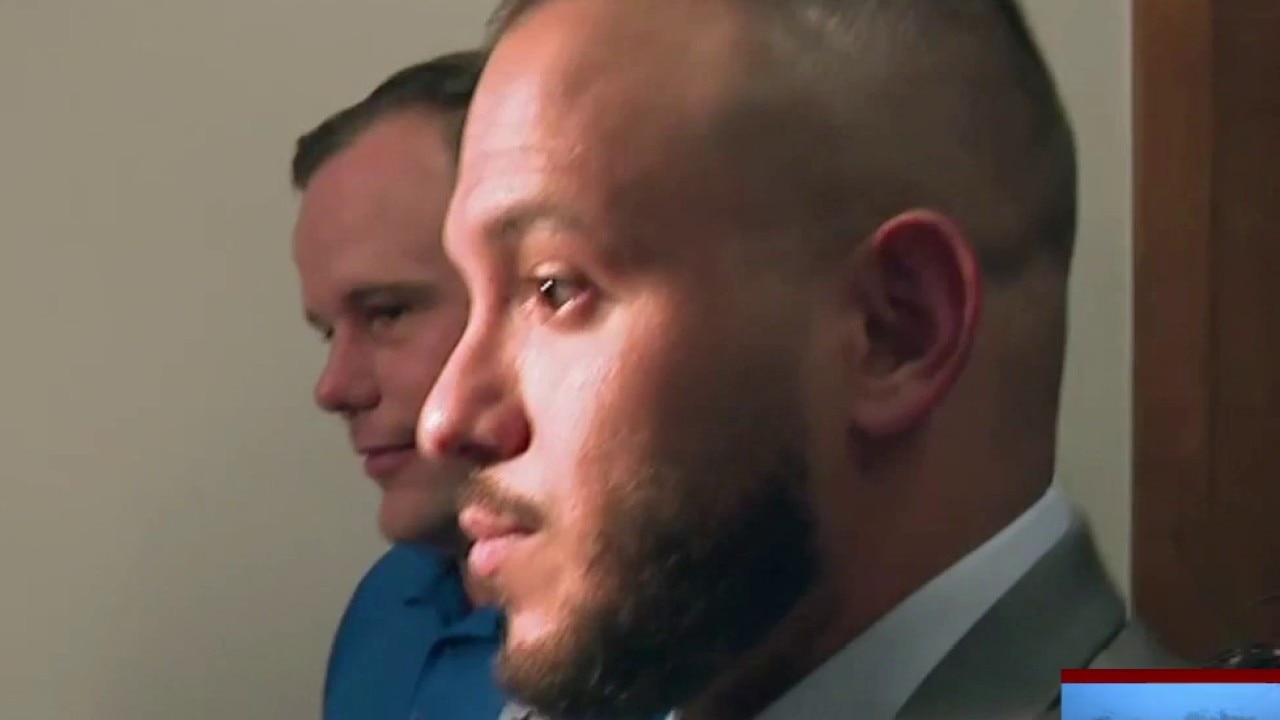
Former Milwaukee Officer Pleads Guilty to Stalking Ex-Girlfriend Using Flock Safety Cameras
Josue Ayala, a former Milwaukee Police Department officer, pleaded guilty to misusing the department's Flock Safety license plate reader system to track a woman he was dating and her ex-partner — querying their plates more than 175 times without any law enforcement purpose.
A former Milwaukee Police Department officer pleaded guilty on June 11, 2026, to one count of attempted misconduct in public office — a misdemeanor — after prosecutors showed he had repeatedly used the department’s Flock Safety license plate reader system to track people in his personal life.
Josue Ayala, 33, used MPD’s access to the Flock Safety network to query the license plate of a woman he was dating more than 120 times. He also ran the plate of that woman’s ex-partner at least 55 times. Neither search had any law enforcement purpose.
Ayala resigned from the Milwaukee Police Department in March 2026 as part of negotiations in his case. Under a plea deal, prosecutors recommend he be fined rather than jailed. The charge carries a maximum of nine months in prison and up to a $10,000 fine. Sentencing is scheduled for July 13, 2026, before Circuit Court Judge Kristela Cervera.
A Pattern Documented Nationwide
The Ayala case is not an outlier. A 2025 review by the Institute for Justice identified at least 15 cases nationwide in which police officers used automated license plate reader data to monitor romantic interests — tracking the movements of current or former partners, and in some cases people they had no prior relationship with. The bulk of those cases emerged after 2024, as Flock Safety’s camera network expanded into hundreds of additional jurisdictions.
Flock Safety cameras are designed to flag stolen vehicles and support criminal investigations. But the same system that gives an officer the ability to locate a suspect’s car also gives that officer the ability to monitor anyone — with no requirement to document a reason before running a search.
The Access Problem
What makes ALPR misuse particularly difficult to catch is that queries often look routine in system logs. An officer tracking a former partner’s movements generates the same type of record as one running a legitimate stolen vehicle check. Most departments do not have audit systems that flag high-frequency searches of non-investigative plates, and many officers are never reviewed unless a specific complaint prompts an investigation.
In Ayala’s case, the pattern — 120 queries on a single civilian plate, 55 on another — was visible only after someone looked. Departments with weaker audit practices may never surface similar conduct.
What Accountability Looks Like
Ayala’s guilty plea is notable because it resulted in criminal charges rather than internal discipline alone. Civil rights advocates argue that most ALPR misuse never reaches that threshold, and that the legal framework for prosecuting data abuse by officers is underdeveloped relative to the scale of surveillance access now available.
For communities where Flock cameras operate, the case illustrates a core risk that Flock’s marketing materials do not address: the danger is not only from external breach, but from authorized users inside the system treating civilian location data as a personal tool.